Environmental Diseases
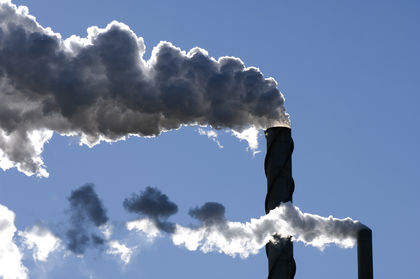
Environmental diseases are illnesses and conditions that result from manmade environmental problems.
KEYWORDS
for searching the Internet and other reference sources
Carcinogens
Herbicides
Hydrocarbons
Mercury
Pesticides
Pollution
Radiation
Silent Spring
Rachel Carson's 1962 book Silent Spring described an environment ravaged by pesticides:
Over increasingly large areas of the United States, spring now comes unheralded by the return of birds, and early mornings are strangely silent where once they were filled with the beauty of bird song.
Carson questioned the use of pesticides, particularly DDT, and described how people were slowly destroying the world around them. Carson and her ideas were attacked from many sides, and one chemical company tried unsuccessfully to stop the book from being published.
Silent Spring marked the beginning of the environmental movement. The public listened to Carson, and ultimately, the government listened too. In 1972, the United States banned the use of DDT because it had been linked to cancer in laboratory studies with mice.
What Are Environmental Diseases?
Illnesses and conditions caused by factors in the environment are collectively called environmental diseases. Pesticides, chemicals, radiation, air pollution, and water pollution, are some of the manmade hazards that are believed to contribute to human illnesses. Potential illness-causing agents are everywhere: at home, at work, and at play. However, the likelihood of an individual developing a specific disease depends on the hazards present in their particular environment and their genetic susceptibility to a specific hazard. For example, x-ray technicians are at risk for radiation-induced illnesses, whereas coal miners are prone to lung diseases caused by inhalation of dust. Proper use of safeguards can prevent these and other environmental diseases.
Myth Versus Reality: Proving Cause and Effect
People like Rachel Carson have made Americans aware of the potential health consequences of many everyday processes and products. Because many things present in the environment have the potential to cause illness in some susceptible people, environmental diseases often are controversial. Unfortunately, when a large group of people begin claiming that something in the environment is making them sick, fear can grow into a myth without any proof. For example some people believe that exposure to high-voltage electric power lines causes cancer. So far, however, there is no conclusive evidence that this is true.
For scientists, showing that something in the environment is the cause of a disease is a difficult process that can take many years.
Whiat Happened at Love Canal?
From 1942 to 1953, the Hooker Chemicals and Plastics Corporation used the Love Canal in Niagara Falls, New York, as a dumpsite for its chemical wastes. When the site was full, it was covered with soil and later sold to the Niagara Falls School Board with a warning about the chemical wastes buried beneath the land.
The land that once had been a hazardous waste site became a neighborhood called Love Canal, complete with a school and hundreds of homes atop the waste site. Homeowners, however, were not warned about the hazards underneath their houses.
From the 1950s to the 1970s, residents of Love Canal smelled unusual odors and discovered strange substances in their yards. Some people developed unexplained health problems. At various times, the city investigated complaints, but nothing was done to remedy the problems until 1978.
In April of that year, the Love Canal area was declared a threat to human health, and by August the school was closed and many families were evacuated from the neighborhood. Ultimately, President Jimmy Carter declared the Love Canal neighborhood a disaster area, and federal funds were used to relocate the 239 families living closest to the dump site.
Love Canal became a symbol for citizens, scientists, activists, and politicians who became more aware of their environment. It resulted in the passage of federal laws designed to force the clean up of landfill sites.
Reality: What Are Some of the Common Environmental Diseases?
Lung Diseases
Any substance other than air that is breathed into the lungs has the potential to cause damage to these organs. For example, air pollution, including smoke from other peoples' cigarettes (secondhand smoke), and workplace chemicals can lead to lung diseases. Examples of lung diseases include:
- Asthma (AZ-ma), a condition in which breathing is difficult, affects millions of Americans. Environmental triggers for asthma are everywhere and include naturally occurring triggers such as animal dander, plant pollen, dust, and mold, and manmade triggers such as chemicals. Not everyone is sensitive to these triggers, but many people are sensitive to some of them.
- Black lung disease is an illness in which coal miners' lungs become coated with coal dust, causing a chronic condition in which breathing becomes difficult and painful.
- Bronchitis (brong-KY-tis), an inflammation of the airways of the lungs, can be caused by breathing in certain chemicals or smoke. Welders and fire fighters are some of the people at risk for this condition. Smokers are also at increased risk for the development of bronchitis and lung cancer.
- Breathing asbestos (a natural mineral fiber) can lead to asbestosis (as-bes-TO-sis), a severe lung disorder, and lung cancer. Schools, homes, and businesses that have asbestos in them as a fire retardant put people at risk when the asbestos dust begins to leak into the air during repairs and renovations. These buildings used asbestos in the walls and ceilings as insulation before laws were passed to ban their use.
- Silicosis (sil-i-KO-sis) is a lung disease caused by exposure to the silica dust in clay. Pottery workers are at risk of developing this disease.
Cancers
In addition to lung cancer, other cancers have been linked to environmental toxins (poisons). For example, pesticides, herbicides, and radioactive substances have the potential to cause cancer. There are almost 2,000 chemicals that are suspected of causing cancer. Of these, only several hundred have had their use restricted by law in the United States.
Asbestos, chromium, and coal tar have been linked to lung cancer. Construction workers, welders, and steelworkers may be repeatedly exposed to these compounds. People working in plastics manufacturing are at risk for liver or bladder cancer. People who work with radioactive substances are at increased risk for cancer caused by radiation. Fortunately, legal restrictions and careful oversight of hazardous materials can reduce risks.
Gulf War Syndrome
Many United States veterans have complained about disabling symptoms that they attribute to their participation in the 1991 Persian Gulf War. Gulf War Syndrome encompasses symptoms such as chronic fatigue, aching muscles and joints, skin rashes, memory loss, miscarriages, and babies born with birth defects.
Gulf War Syndrome is a mysterious condition. While veterans are experiencing very real medical problems, physicians and scientists cannot agree on the source of these problems. Some people believe that the syndrome actually consists of multiple illnesses for which symptoms overlap. Veterans could be reacting to chemical weapons, biological weapons, pesticides, vaccines, oil fires, or infectious diseases that they were exposed to in the Gulf War. A presidential commission set up to study the controversy surrounding the Gulf War Syndrome proposed that stress was the major cause behind the symptoms the veterans were experiencing. A decade after it began, the controversy continues as conflicting reports emerge.
* Infertility is when a man or woman is unable to conceive a child,
* miscarriage occurs when a pregnant woman loses the fetus in her uterus, causing the end of the pregnancy.
* fetus (FEE-tus), in humans, is the unborn offspring in the period from nine weeks after fertilization until birth. Before nine weeks it is called an embryo.
Birth Defects
Infertility * , miscarriage * , stillbirth (the baby is born dead), childhood cancer, and birth defects may have links to various environmental toxins. When a pregnant woman is exposed to lead, her child has a higher than usual risk of being born with behavior and nervous system problems. Exposure to radiation, chemical wastes, pesticides, solvents, paints, lead, and methyl mercury all can cause problems in a developing fetus * .
Chemical Poisonings
Lead is a serious environmental hazard to children in many parts of the world, including the United States. It affects children's mental and physical development, and high doses can cause paralysis and death. People can be exposed to lead through lead paint, leaded gasoline, lead water pipes, and certain ceramics. Although lead is no longer used in most of these products in the United States, it can still be found in older homes and in some imported products.
The metals mercury and cadmium can cause nerve damage, cancer, and liver and skin diseases. Mercury has been used since the beginning of the nineteenth-century in many industrial processes. In earlier times, people who worked with mercury were often unknowingly poisoned. Mercury can accumulate in the food chain and present a health risk. For example, some fish in the Great Lakes are contaminated with mercury they acquired through eating plants and other fish. Eating a lot of these contaminated fish can transfer unhealthy levels of mercury to a person. The effects are cumulative, (build up), because the body cannot rid itself of mercury. Mercury can be found in fluorescent lights, latex paint, batteries, dental fillings, and mercury thermometers.
Other sources of environmental poisoning can arise from the manufacture of refrigerants, plastics, and other industrial products and from the manufacture and misuse of pesticides.
Can Environmental Diseases Be Prevented?
Regulations protecting people from environmental hazards vary widely from country to country. In the United States, Congress has enacted laws to protect workers from intentional and accidental exposure to environmental hazards. For example:
- The National Institute of Occupational Safety and Health (NIOSH) was established in 1971 to set standards for health and safety in the workplace.
- The Occupational Safety and Health Administration (OSHA) was also established in 1971 to enforce rules and regulations based on NIOSH's findings.
- In 1983, OSHA required industries to make full disclosure to their workers about the dangerous chemicals used in their facilities and to teach workers how to protect themselves from these hazardous substances.
- In 1987, the 1983 standards were extended to include more workers. Later, a regulation to set standards to prevent occupational exposure to infectious diseases such as AIDS and hepatitis B and C was added.
Sick Building Syndrome
Sick Building Syndrome describes an elusive health problem in which people attribute a variety of symptoms to the buildings where they work. Common complaints include headaches, dizziness, nausea, tiredness, concentration problems, sensitivity to odors, dry itchy skin, a dry cough, and irritated eyes, nose, and throat. Generally, as soon as affected people leave the building, their symptoms vanish and they feel well again.
Sick Building Syndrome is elusive in that neither one specific illness nor a common cause has been identified. No specific set of symptoms is common to all people complaining of Sick Building Syndrome. While nothing has been proven, theories as to the causes of Sick Building Syndrome abound. Many factors may contribute to it, including humidity, poor ventilation, and poor temperature control. Pollution from outdoor sources, (for example car exhaust, pollen, or smoke) or chemicals from inside a building, (cleaning supplies, glues, upholstery, or copy machine chemicals), may affect people who are sensitive to them. Bacteria, viruses, and molds also can invade buildings and make people sick.

Resources
U.S. National Center for Environmental Health (NCEH), Centers for
Disease Control and Prevention (CDC), Mail Stop F-29, 4770 Buford
Highway, N.E., Atlanta, GA 30341-3724.
Telephone 888-232-6789
http://www.cdc.gov/nceh/
U.S. National Institute of Environmental Health Sciences, P.O. Box
12233, Research Triangle Park, NC 27709.
Telephone 919-541-3345
http://www.niehs.nih.gov/
World Health Organization (WHO), Avenue Appia 20, 1211 Geneva 27,
Switzerland. WHO's website posts fact sheets about environmental
health and related topics.
http://www.who.org/home/map_ht.html
Comment about this article, ask questions, or add new information about this topic: